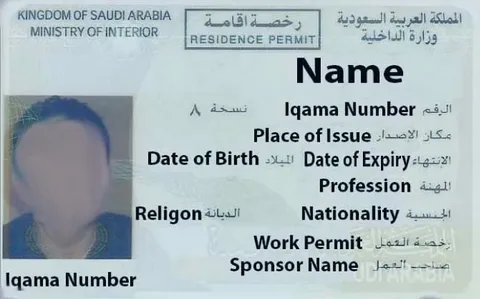

In 2015, the Saudi Ministry of Human Resources and Social Development formally linked engineering job titles on Iqamas to mandatory membership with the Saudi Council of Engineers (SCE). Since then, engineers working in the Kingdom, regardless of nationality, have been required to register with the SCE before their professional title can be officially recognized. The regulation was introduced to verify qualifications, reduce the number of unlicensed practitioners, and align employment practices with the country’s safety and infrastructure goals. Today, registration with the SCE is a legal necessity for engineers who want to live and work in Saudi Arabia. If you’re preparing to move for an engineering role or already working in the Kingdom, this blog explains exactly who must register, what’s involved, and how the process works.
What Is the Saudi Council of Engineers?
The Saudi Council of Engineers is the regulatory authority for engineering professionals in Saudi Arabia. It ensures that individuals practicing under engineering titles meet approved standards for education, experience, and conduct. SCE registration serves as formal recognition that an engineer’s qualifications have been verified and meet Saudi Arabia’s professional requirements. Without it, an engineer is not legally authorized to work under that designation in the country.
Why SCE Registration Is Legally Required
If your Iqama shows an engineering-related job title, registration with the SCE is not optional. The consequences of not registering include: Denied Iqama renewal, downgraded job title (to “Technician” or “Labor”), limited eligibility for project transfers or promotions, delays in visa or contract processing, and possible contract termination for non-compliance. The rule applies across all employers and sectors, including private companies, government contractors, and multinational firms operating in the Kingdom.
Job Titles That Require SCE Registration
The SCE requirement applies to a broad range of engineering and technical roles. Below is a list of job titles that commonly fall under the registration mandate:
Core Engineering Roles:
- Civil Engineer
- Electrical Engineer
- Mechanical Engineer
- Chemical Engineer
- Industrial Engineer
- Petroleum Engineer
- Environmental Engineer
- Instrumentation Engineer
- Structural Engineer
- Mechatronics Engineer
- Telecommunications Engineer
- Electronics Engineer
Related Titles That Often Require Registration:
- Architect
- AutoCAD Draftsman (if titled “Engineer”)
- Site Engineer
- Project Engineer
- Design Engineer
- Survey Engineer
- Engineering Technician
- Quality Control Engineer
Even support-level staff are included if their Iqama reflects a title involving “Engineer” or a technical discipline linked to engineering functions.
What the SCE Checks
Before issuing membership, the Saudi Council of Engineers performs a thorough review of the applicant’s credentials and documentation. The required items typically include: Attested engineering degree (recognized by the home country’s education authority and authenticated by the Saudi Embassy), passport copy, Iqama copy, passport-size photo, updated CV, and any relevant certifications or training records. The job title listed on your Iqama must align with your academic qualifications. For example, if your degree is in mechanical engineering but your Iqama says “Electrical Engineer,” the application may be rejected or flagged for correction.
Step-by-Step Registration Process
- Visit the official SCE website at www.saudieng.sa
- Create an account using your personal details and Iqama number
- Upload your documents, including your degree, passport, and Iqama
- Pay the required registration fee using the Sadad payment system
- Engineers: SAR 750 to 850
- Technicians: SAR 400 to 500
- Wait for review and document verification
- Download your SCE certificate upon approval
- Renew annually to keep your membership and Iqama status in good standing
All documents must be submitted in color, clearly scanned, and formatted according to SCE guidelines. Blurry or incomplete submissions may result in rejection.
What Happens If You Don’t Register?
Engineers working without SCE registration run the risk of serious employment and residency issues. Without membership: Your Iqama cannot be renewed under an engineering title, you may be reclassified under a different profession, access to government contracts or certain projects may be blocked, and employers may halt your paperwork or contract renewal. Even if you’ve been hired and have started working, you’ll be expected to complete registration within a specified window, typically before your first Iqama renewal.
Why the Regulation Was Introduced
The SCE registration policy was introduced to improve the overall quality of engineering projects in Saudi Arabia. With large-scale infrastructure programs and long-term goals under Vision 2030, the country needed a more reliable way to verify the qualifications of foreign professionals. By enforcing this rule, the Saudi government has been able to reduce fraud involving fake engineering degrees, ensure projects are staffed by qualified personnel, standardize the engineering workforce across public and private sectors, and improve safety and professionalism on major development projects.
Working Without SCE Registration? Here’s What You Risk
If your Iqama lists any job title that includes the word “engineer” or relates to technical work in fields like drafting, surveying, design, or quality control, SCE registration is not just a formality—it is mandatory. Saudi authorities will not process your Iqama renewal, and employers will be unable to maintain your engineering designation in their official records unless this requirement is met.
This applies to roles in civil construction, mechanical systems, electrical design, industrial operations, telecom infrastructure, and more. Even if your degree is valid, it must be attested and aligned with your actual job title. Failure to meet any of these criteria can lead to job reclassification, delays in visa processing, or even suspension of your employment status.
Whether you’re moving into a long-term role on a government-backed infrastructure project or joining a private firm as a site engineer or design consultant, confirming and completing your SCE registration early is the most reliable way to protect your position and remain compliant with Saudi labor regulations.